


Best Ways to Clear Drains: 7 Proven Methods That Work


Table of Contents
- Tools You’ll Need Before You Start
- How to Use a Plumbing Snake to Clear Stubborn Clogs
- Natural Drain Cleaner Recipes That Actually Work
- Chemical Drain Cleaners: Safety and Proper Use
- What to Do When a Sewer Backs Up
- How to Prevent Future Clogs
- When to Call a Professional Plumber
- Frequently Asked Questions
Last Updated: September 22, 2026
Tools You’ll Need Before You Start
Knowing the best ways to clear drains starts with having the right tools on hand, and the right tools make it far easier to clear drains. At Cape Plumbing, Inc., we’ve cleared many clogs across Florida homes, and the difference between a quick fix and a flooded floor usually comes down to preparation.
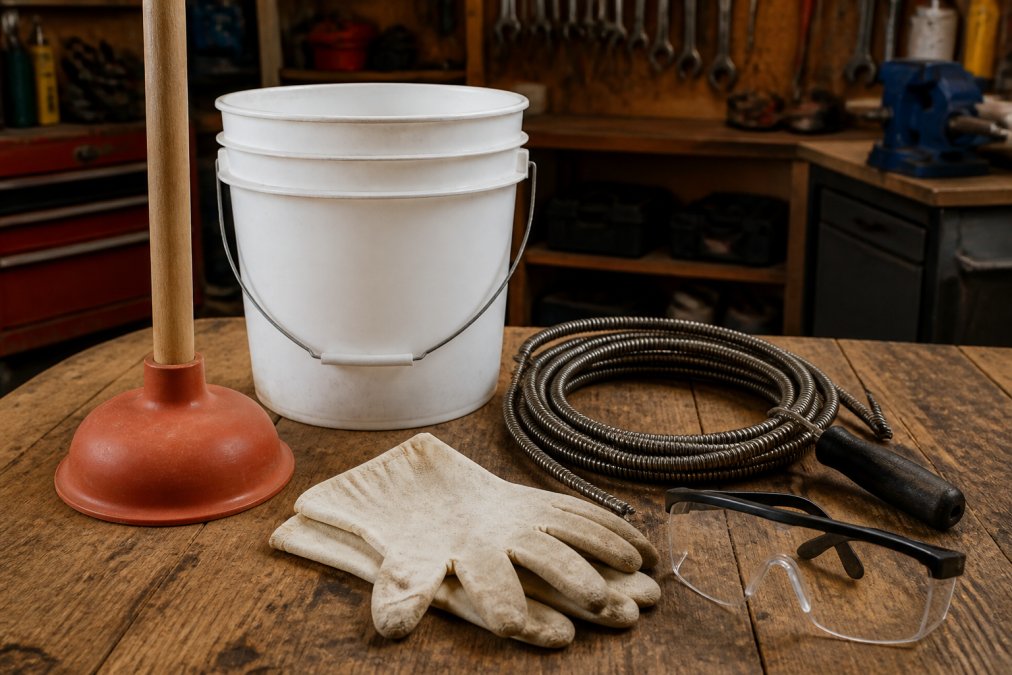
Gather these items before you touch a drain.
Household Items and Basic Tools
- A cup plunger for sinks and tubs
- A flange plunger for toilets
- Buckets and old towels
- Rubber gloves and safety glasses
- A wire coat hanger for light snags
Specialty Drain-Clearing Tools
- A drain snake or hand auger for deeper blockages
- A wet/dry vacuum for standing water and loose debris
- A drain strainer to catch hair before it enters the pipe
How to Use a Plumbing Snake to Clear Stubborn Clogs
A plumbing snake is the most reliable tool for clogs that sit past the drain trap. Here’s how to use one without damaging your pipes.
- Remove the drain stopper or strainer.
- Feed the cable into the drain until you feel resistance.
- Crank the handle clockwise to hook the clog.
- Pull the cable back slowly, bringing debris with it.
- Flush with hot water to confirm flow.
Manual vs. Drill-Powered Augers
Never force a snake past a hard stop. If the cable won’t advance, you’ve likely hit a fitting or a bend, not the clog. Back off and try a smaller cable.
Natural Drain Cleaner Recipes That Actually Work
Natural cleaners handle maintenance and light clogs well. They won’t fix a deep blockage, but they keep slow-draining sinks from getting worse.
Baking Soda and Vinegar Method
Enzyme-Based Cleaners and Salt Flushes
Never mix vinegar with a chemical drain cleaner. The reaction can release dangerous fumes and damage your pipes.
Chemical Drain Cleaners: Safety and Proper Use
Chemical cleaners are the fastest DIY option, but they are also the easiest way to turn a $150 clog into a $6,000 repipe. Understanding what is inside the bottle matters more than the brand on the label.
The Two Chemical Classes
- Caustic (lye-based) cleaners use sodium hydroxide to saponify grease and dissolve hair protein. They generate heat as they react, which is why they can soften PVC joints and eat through older cast iron over repeated use.
- Acid-based cleaners use sulfuric acid to burn through paper, grease, and organic matter. They work faster than caustic products but are far more dangerous to skin, eyes, and metal pipes.
Match the Cleaner to the Clog and the Pipe
| Clog Type | Best Chemical Fit | Avoid On |
|---|---|---|
| Grease (kitchen) | Caustic gel | Cast iron, older PVC |
| Hair and soap scum (bath) | Caustic gel or enzyme | Any pipe with a prior snake failure |
| Paper (toilet) | Mechanical tool first | Acid cleaners |
| Unknown / standing water | None, call a pro | All chemicals |
Pipe Material Reality Check
- PVC and ABS (most homes built after 1970): tolerate occasional caustic use, but repeated exposure degrades the glue joints.
- Cast iron (pre-1970 homes): already corroded; caustic heat accelerates scaling and can crack the pipe wall.
- Galvanized steel: acid cleaners attack the zinc coating and speed up rust-through.
- PEX and CPVC supply lines: never expose to drain chemicals, they are not rated for it.
Safe Use Rules
- Never use chemicals in a toilet or in standing water you cannot see through.
- Open a window and wear nitrile gloves and sealed eye protection.
- Do not use more than once a month on older pipes.
- Never use after a snake or plunger has failed, trapped gas and chemical residue can splash back.
- Never mix two chemical products; the reaction can release chlorine gas or boil out of the drain.
If you have already poured a chemical cleaner and the drain is still blocked, do not add a second product or send a snake down. Call a licensed plumber and tell them exactly what was used so they can protect themselves and their equipment.
If You Have a Septic System
Chemical cleaners are a targeted rescue, not a habit. Match the product to the clog type and pipe material, use it once, and switch to mechanical or enzyme methods for anything recurring.
What to Do When a Sewer Backs Up
A sewer backup is different from a simple clog, and it needs a different response. Stop using water immediately. Every flush or load of laundry pushes more waste into your home.
Then:
- Shut off the main water valve.
- Keep everyone away from the affected area.
- Call a licensed plumber right away.
How to Prevent Future Clogs
Prevention advice fails when it treats every drain the same. A kitchen sink, a bathroom tub, a floor drain, and a septic-fed laundry line each fail for different reasons. Match the habit to the fixture and the clog stops coming back.
Identify the Clog Type First
Before you change habits, know what you are fighting:
- Hair and soap scum: gray, stringy, often with a greasy film. Dominant in tubs and bathroom sinks.
- Grease and food solids: thick, pale, smells rancid. Dominant in kitchen sinks.
- Paper and wipes: clumps that do not break down. Dominant in toilets and main lines.
- Sand, lint, and sludge: gritty or fibrous. Dominant in floor drains and laundry standpipes.
Each type responds to a different prevention routine.
Fixture-by-Fixture Prevention
Kitchen sink
- Scrape plates into the trash, not the disposal.
- Never pour grease, oil, or dairy down the drain. Let it cool in a can and trash it.
- Run cold water for 15 seconds before and 30 seconds after using the disposal, cold water solidifies grease so the disposal can chop it.
- Once a month, fill the basin with hot water and pull the stopper to flush the trap at full pressure.
Bathroom sink and tub
- Install a hair-catching strainer and empty it weekly.
- Once a month, pour a half cup of baking soda followed by a half cup of white vinegar, wait 15 minutes, then flush with hot water.
- Every other month, run an enzyme cleaner overnight to break down soap scum biofilm.
Toilet
- Flush only human waste and toilet paper. No wipes, even “flushable” ones, they do not disperse like paper.
- Avoid drop-in bleach tablets; they degrade the rubber flapper and can crack the tank.
Floor drain
- Pour a quart of water down every floor drain once a month. Dry traps let sewer gas in and let sludge harden.
- In basements and garages, add a strainer to catch sand and debris before it reaches the trap.
Laundry standpipe
- Use a lint-catching mesh filter on the discharge hose.
- Run a hot water and vinegar cycle through the washer monthly to keep detergent residue from building in the standpipe.
Septic System Adjustments
- Skip caustic and acid drain cleaners entirely, they kill the bacteria the tank needs.
- Use enzyme cleaners instead of baking soda and vinegar for monthly maintenance; enzymes are septic-safe and break down organic matter without disrupting the tank.
- Limit laundry to one load per day and avoid antibacterial soaps and bleach-heavy detergents, which also suppress tank bacteria.
Eco-Friendly Disposal of What You Pull Out
- Scoop solids into a sealed plastic bag and place them in the trash.
- Wipe grease residue from tools with a paper towel and trash it, not the sink.
- Disinfect the snake cable, plunger cup, and bucket with hot soapy water, then rinse outside or in a utility sink.
- Wash your hands and any reusable gloves with soap and warm water before storing.
A Simple Monthly Routine
- Week 1: hot water flush on the kitchen sink.
- Week 2: baking soda and vinegar on bathroom drains (or enzyme cleaner on septic).
- Week 3: pull and clean every strainer.
- Week 4: pour a quart of water down each floor drain.
The single best defense is matching prevention to the fixture: strainers and hot water for kitchen and bath, monthly water for floor drains, lint filters for laundry, and enzyme-only maintenance on septic. A generic routine misses the drain that actually fails.
When to Call a Professional Plumber
Some clogs are beyond DIY tools. Call a pro when you see these signs.
- Multiple drains back up at once.
- You smell sewage in the house.
- Water pools around floor drains.
- Your snake hits a solid stop it can’t clear.
- The same drain clogs again within weeks.
| Sign | DIY Fix | When to Call a Pro |
|---|---|---|
| One slow sink | Plunger or snake | If it returns within a week |
| Multiple drains backing up | None | Immediately |
| Sewage smell | None | Immediately |
| Floor drain pooling | None | Same day |
| Repeat clog | Enzyme cleaner | After second clog |
Frequently Asked Questions
Does baking soda and vinegar really unclog drains?
Baking soda and vinegar create a fizzing reaction that can loosen light debris and deodorize drains, but it won’t clear a solid clog. For slow-draining sinks, pour half a cup of baking soda followed by half a cup of vinegar, wait 15 minutes, then flush with hot water. For stubborn clogs, use a plunger or drain snake instead.
How do I know if I have a main sewer line backup?
Signs include multiple drains backing up at once, sewage odors, gurgling toilets, and water pooling around floor drains. If you notice these, stop using water immediately and call a professional plumber. Sewer backups can expose you to harmful bacteria and often require specialized equipment to clear.
When should I call a professional plumber for a clog?
Call a professional if DIY methods like plunging, snaking, or natural cleaners fail after two attempts, if you have repeated clogs, or if you suspect a sewer line issue. Professional plumbers have specialized equipment to clear blockages safely without damaging your pipes.
Can I use chemical drain cleaners on old pipes?
Chemical drain cleaners can damage older pipes, especially metal or corroded lines, and are not recommended for septic systems. They also pose safety risks if splashed or inhaled. For a safer alternative, try a drain snake or enzyme-based cleaner, or call a plumber for stubborn clogs.
A backed-up drain never picks a good time, and the wrong fix can turn a small clog into a costly repair. If your drains keep clogging or a sewer line backs up, you need a team that shows up fast and gets it right. Cape Plumbing, Inc. offers same-day scheduling, 24/7 emergency availability, and financing options to make the fix affordable. Get started with Cape Plumbing, Inc. and clear your drains for good.