


7 Top Causes of Sewer Line Damage

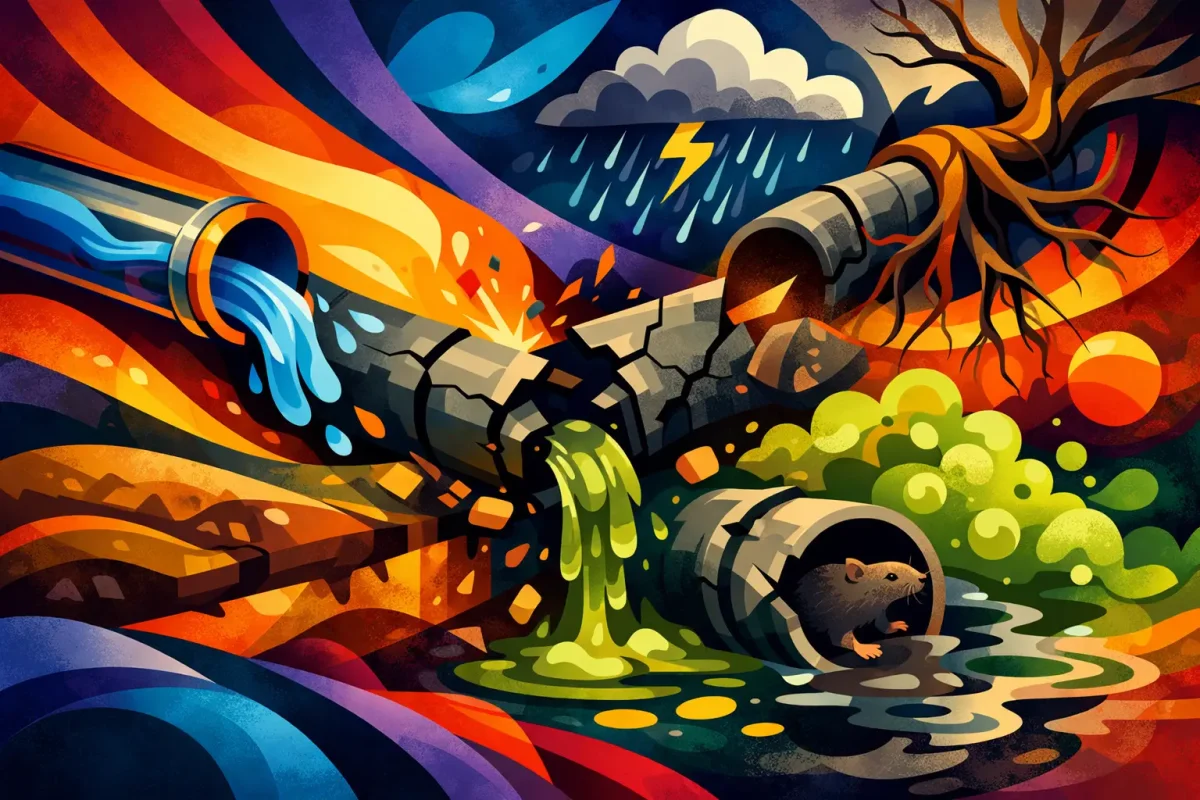
A sewer problem usually does not start with a dramatic collapse. It starts with a slow drain that keeps coming back, a bad smell near the yard, or a toilet that gurgles when nothing else seems wrong. The top causes of sewer line damage are often developing out of sight for months or years before the problem becomes impossible to ignore.
For homeowners and property managers in South Florida and Orlando, that matters. Many local properties deal with aging pipe materials, shifting soil, invasive roots, and heavy system use. If you know what puts stress on a sewer line, you have a better chance of catching trouble early and avoiding a messy, expensive emergency.
What causes sewer lines to fail?
Sewer lines fail for different reasons, and sometimes more than one issue is happening at once. A pipe might already be weakened by age, then roots find a small crack, or a blockage increases pressure inside a line that is already corroded. That is why sewer issues are rarely just about one bad day. More often, they are the result of wear, environment, and delayed repairs adding up.
1. Tree root intrusion
Tree roots are one of the most common causes of sewer line damage because roots naturally grow toward moisture. Even a tiny crack or loose joint can release enough vapor or water to attract them. Once roots find that opening, they push in, expand, and keep growing.
At first, root intrusion may look like a simple drain problem. You might notice recurring clogs, slow drains in multiple fixtures, or gurgling sounds. Over time, roots can create major blockages, break apart joints, and crush weaker sections of pipe.
This is especially important on older properties with mature landscaping. Big trees can add curb appeal, but their root systems do not care where your sewer line runs. In some cases, clearing roots restores flow for a while. In others, the pipe itself is too damaged and needs repair or replacement.
2. Aging cast iron and pipe corrosion
In many Florida homes and commercial buildings, aging cast iron sewer lines are a major problem. Cast iron was common for decades, but it does not last forever. As the interior of the pipe corrodes, rust buildup narrows the line and creates rough surfaces that catch waste and debris more easily.
The outside of the pipe can also deteriorate, especially in damp conditions or under slabs where leaks go unnoticed for too long. Eventually, the pipe may flake, crack, or develop bottom channel rot, where the lower section wears away first.
This kind of damage is not always obvious at the start. You may get frequent drain backups, sewage odors, or unexplained wet spots without realizing the pipe itself is failing. Spot repairs can help in certain situations, but if the system is broadly deteriorated, a larger replacement plan may make more financial sense than repeated emergency fixes.
3. Grease, wipes, and improper flushing
Some sewer line damage starts with what goes down the drain every day. Grease, food waste, paper towels, hygiene products, and so-called flushable wipes can all build up inside the line. Unlike toilet paper, many of these materials do not break down well.
Over time, that buildup restricts flow and increases pressure in the system. If the pipe is older or already compromised, recurring blockages can push it closer to cracking, leaking, or backing up into the property. Commercial kitchens and busy households are especially vulnerable because heavier use means buildup happens faster.
This is one of the more preventable problems, but it is also one of the most common. Good drain habits help, but once a line is already coated with grease or debris, professional cleaning is often needed to fully restore it.
4. Ground movement and soil changes
Sewer lines are buried, but they are not protected from what the ground does around them. Soil can shift from heavy rains, drought, erosion, construction activity, or natural settling. When that happens, pipes can sag, separate at the joints, or crack under pressure.
In Florida, soil conditions and groundwater levels can create extra stress. A line may stay stable for years, then start to shift after repeated weather changes or nearby work on the property. Under-slab lines can be especially difficult because the damage is hidden until drainage problems become severe.
Ground movement does not always destroy a pipe all at once. Sometimes it creates a belly, which is a low section where waste and water collect instead of flowing properly. That standing waste leads to recurring clogs and puts more wear on the pipe over time.
5. Poor installation or substandard repairs
Not every sewer line problem is caused by age. Some start because the line was not installed correctly in the first place. Improper slope, bad connections, low-quality materials, or careless repair work can all shorten the life of a sewer system.
A sewer line needs the right pitch to carry waste away efficiently. Too much slope can let liquids outrun solids. Too little slope can slow everything down and encourage buildup. If fittings are weak or mismatched, leaks and separations can happen sooner than expected.
This is where experience matters. Quick patchwork may look cheaper up front, but poor workmanship often turns into repeat service calls, property disruption, and bigger repair bills later. For more technical jobs, especially under-slab sewer work or cast iron replacement, the quality of the diagnosis and the repair plan makes a real difference.
6. Heavy traffic and surface load
If a sewer line runs under a driveway, parking area, or other high-traffic surface, the weight above it can become a problem. Pipes are built to handle burial, but repeated pressure from vehicles or heavy equipment can eventually cause cracking or collapse, especially if the pipe is old or already weakened.
This is not just a residential issue. Commercial properties often deal with higher loads and more frequent traffic, which means underground infrastructure takes more abuse. Add soil movement or corrosion to the picture, and the risk goes up.
The warning signs can be subtle at first. You may notice isolated backups, a soft spot in the ground, or drainage problems that keep returning in one section of the property. A camera inspection usually gives the clearest answer.
7. Delayed maintenance and ignored warning signs
One of the top causes of sewer line damage is simple delay. A minor blockage gets treated like a one-time inconvenience. A drain that runs slowly for months is tolerated. A sewer smell outside gets ignored because it comes and goes.
The problem is that sewer systems rarely fix themselves. Small issues tend to grow. A partial blockage can turn into a full backup. A small crack can let in roots. A corroded section can collapse after one more season of stress.
Fast action usually means more options. When a problem is caught early, cleaning, targeted repair, or a limited replacement may be enough. When it is ignored too long, the fix is often larger, more disruptive, and more expensive.
Signs your sewer line may already be damaged
The most common red flags are recurring drain clogs, backups in multiple fixtures, foul odors, gurgling toilets, soggy patches in the yard, or drains that stay slow even after basic clearing. In some properties, you may also notice foundation-area moisture or unexplained pest activity near damaged lines.
It depends on where the damage is and how severe it has become. A single slow sink does not always mean a sewer line issue. But if multiple drains are affected at once, or the same problem keeps returning, it is time to take a closer look.
How to reduce the risk of sewer line damage
The best prevention starts with not putting grease, wipes, or other problem materials into the system. It also helps to stay aware of where trees are planted, especially near older sewer lines. If your property has cast iron piping, recurring backups, or signs of under-slab trouble, inspection is worth doing before a full failure forces the decision.
Professional drain cleaning and camera inspections are especially useful when you are seeing repeat symptoms with no clear cause. They show whether the issue is a simple blockage, root intrusion, corrosion, pipe separation, or a more serious structural failure. That matters because the right fix depends on the actual condition of the line, not just the symptom at the drain opening.
For older Florida properties, waiting usually costs more than checking. Companies like Cape Plumbing handle everything from emergency backups to complex sewer and cast iron replacement work, which is important when the problem turns out to be deeper than a basic clog.
If your drains have been giving you the same warning more than once, trust the pattern. Sewer line damage gets easier to manage when you catch it early, and a lot harder when it catches you on a weekend.